The Importance of Standards and Certifications in Digital Banking
Category : | Sub Category : Posted on 2025-11-03 22:25:23
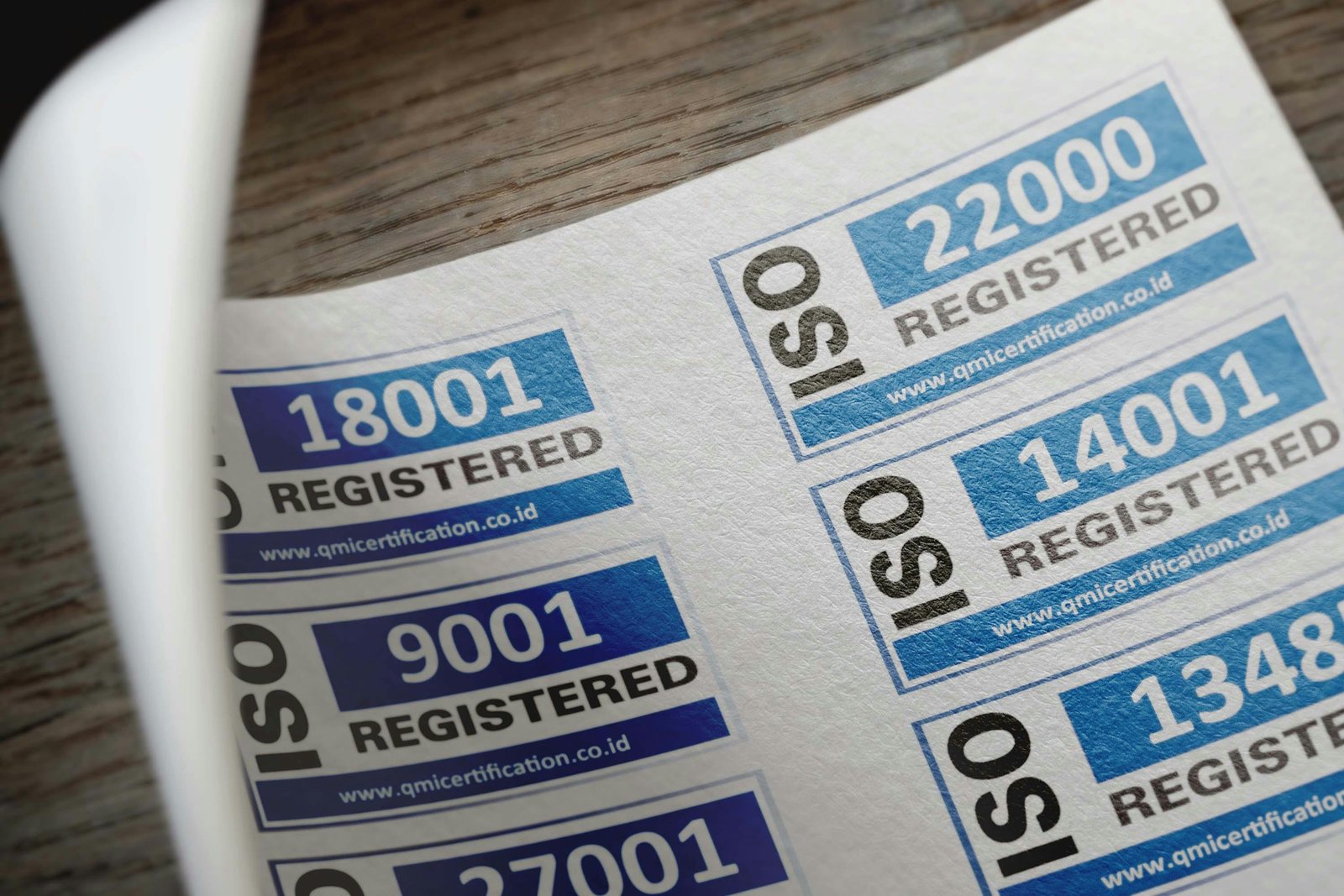
In today's rapidly evolving digital banking landscape, the implementation of standards and certifications plays a crucial role in ensuring security, trust, and efficiency for both financial institutions and their customers. With the increasing shift towards online and mobile banking services, it is imperative for banks to adhere to industry standards and obtain relevant certifications to safeguard customer data and enhance the overall banking experience. One of the key benefits of adhering to industry standards in digital banking is the assurance of data security. Cyber threats and data breaches are significant concerns in the digital realm, and adherence to stringent data security standards such as ISO 27001 helps in mitigating these risks. By implementing robust security measures and encryption protocols, banks can protect sensitive customer information and provide a secure platform for online transactions. Moreover, standards and certifications in digital banking also play a vital role in building trust and credibility among customers. When a financial institution displays certifications such as PCI DSS (Payment Card Industry Data Security Standard) or SOC (Service Organization Control) compliance, it signals to customers that their data is being handled responsibly and securely. This instills confidence in customers and fosters long-term relationships by assuring them of the bank's commitment to data protection. Certifications in digital banking also drive operational excellence and efficiency within financial institutions. Adhering to standards such as ISO 20022 for global messaging standards or SWIFT security guidelines enhances interoperability and simplifies transaction processing across different banking systems. By streamlining processes and ensuring compatibility with industry standards, banks can improve operational efficiency and deliver a seamless banking experience to customers. In addition to enhancing security, trust, and efficiency, standards and certifications in digital banking also provide a competitive edge for financial institutions. Compliance with industry standards demonstrates a commitment to best practices and regulatory requirements, positioning banks as trustworthy and reliable partners in the digital economy. Moreover, certifications such as Open Banking compliance signify a readiness to embrace innovation and collaborate with third-party providers, driving enhanced customer experiences through new services and technologies. In conclusion, the importance of standards and certifications in digital banking cannot be overstated. By prioritizing data security, building customer trust, driving operational efficiency, and gaining a competitive edge, financial institutions can leverage industry standards and certifications to navigate the complexities of the digital landscape successfully. As technology continues to transform the banking industry, adherence to standards and certifications will remain a cornerstone of digital banking excellence. To get more information check: https://www.nequi.org
Leave a Comment:
SEARCH
Recent News
- Zurich, Switzerland is known for its high standards across various industries, including testing and inspection. The city prides itself on ensuring that products and services meet rigorous quality control measures to maintain its reputation as a leading global hub for innovation and excellence.
- Quality assurance methods are paramount in ensuring high standards and accuracy in various industries, including in the beautiful city of Zurich, Switzerland. Zurich is renowned for its precision and attention to detail, making it crucial to implement effective quality assurance methods to maintain the city’s reputation for excellence.
- Navigating Medical Device Regulations in Zurich, Switzerland
- Zurich, Switzerland and Liechtenstein are two neighboring European countries with distinct regulatory frameworks governing various aspects of society. In this blog post, we will explore some key regulations in Zurich, Switzerland and Liechtenstein that shape the way of life and business in these two unique destinations.
- Zurich, Switzerland is not only known for its stunning scenery and financial prowess but also for its active involvement in international trade standards. As a hub for global commerce, Zurich plays a key role in shaping and adhering to trade regulations that govern the flow of goods and services across borders.
- Zurich, Switzerland: Halal Food Certification
- Zurich, Switzerland: A Closer Look at Food Export-Import Regulations
- Zurich, Switzerland is renowned for its stunning landscapes, vibrant culture, and high quality of life. However, not many people are aware of the city's stringent food and drug regulations that contribute to the overall health and well-being of its residents and visitors.
READ MORE
10 months ago Category :

Zurich, Switzerland is known for its high standards across various industries, including testing and inspection. The city prides itself on ensuring that products and services meet rigorous quality control measures to maintain its reputation as a leading global hub for innovation and excellence.
Read More →10 months ago Category :

Quality assurance methods are paramount in ensuring high standards and accuracy in various industries, including in the beautiful city of Zurich, Switzerland. Zurich is renowned for its precision and attention to detail, making it crucial to implement effective quality assurance methods to maintain the city’s reputation for excellence.
Read More →10 months ago Category :

Navigating Medical Device Regulations in Zurich, Switzerland
Read More →10 months ago Category :
