Understanding Standards and Certifications for Corporation Formation
Category : | Sub Category : Posted on 2025-11-03 22:25:23
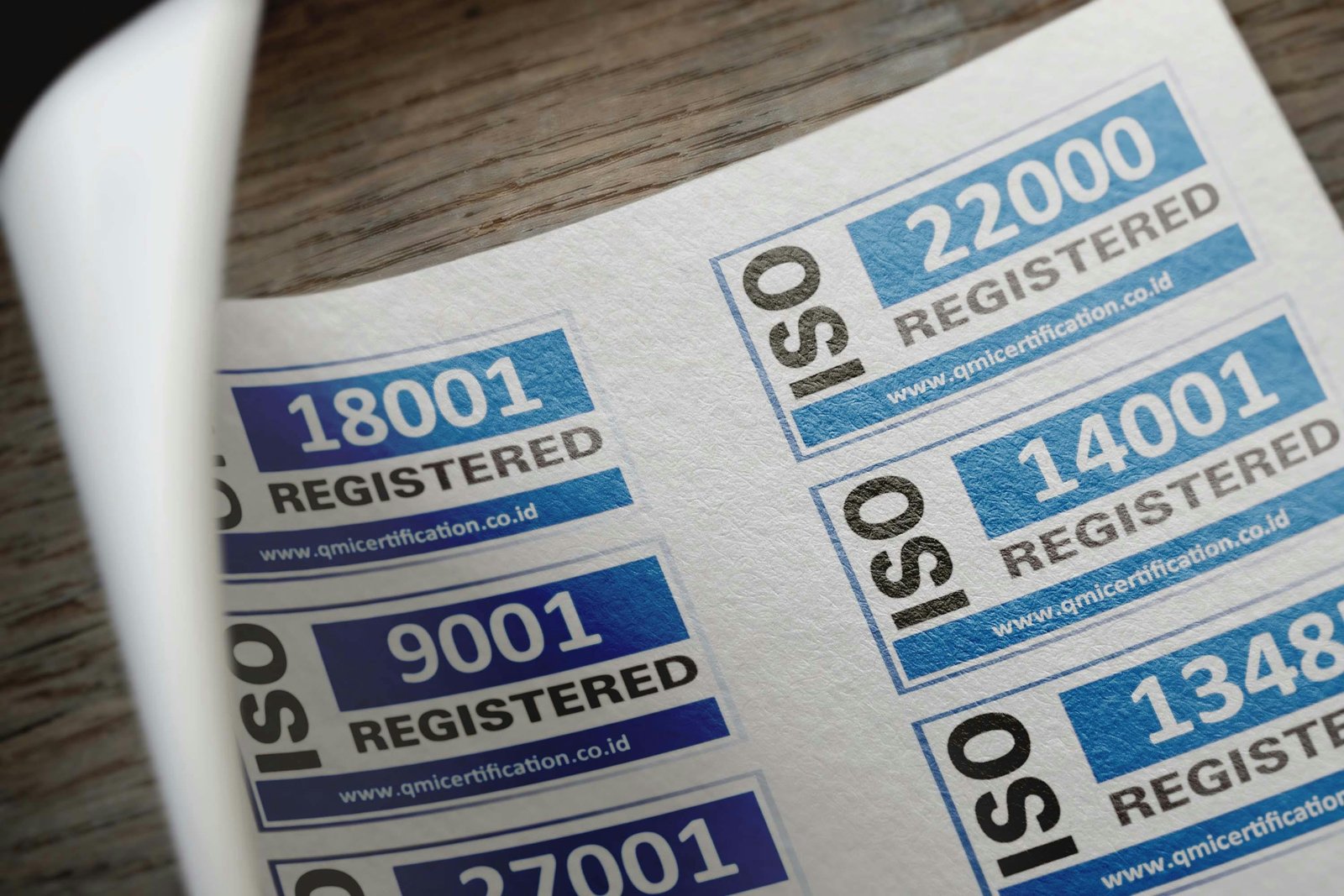
When starting a new corporation, there are various standards and certifications that you should be aware of to ensure compliance and credibility in the business world. Meeting these standards can help your corporation gain trust from customers, investors, and other stakeholders. In this article, we will delve into the importance of standards and certifications in corporation formation. 1. **Quality Standards**: One of the most common certifications that corporations seek is ISO 9001, which focuses on quality management systems. Achieving this certification demonstrates your corporation's commitment to providing products or services that meet regulatory requirements and exceed customer expectations. It can enhance your corporation's reputation and open doors to new business opportunities. 2. **Environmental Certifications**: With increasing awareness of climate change and sustainability, corporations are opting for certifications such as ISO 14001 to showcase their environmental management practices. Demonstrating a commitment to reducing environmental impact can attract environmentally-conscious consumers and investors to your corporation. 3. **Safety Standards**: Corporations operating in industries with potential hazards, such as manufacturing or construction, often seek certifications like OHSAS 18001 (soon to be replaced by ISO 45001) for occupational health and safety management. Ensuring a safe work environment not only protects employees but also enhances your corporation's reputation as a responsible employer. 4. **Information Security**: In the digital age, safeguarding sensitive data is critical. Certifications like ISO 27001 focus on information security management systems, helping corporations protect their information assets and build trust with clients who prioritize data security. 5. **Industry-specific Certifications**: Depending on the nature of your corporation, there may be industry-specific standards and certifications that are essential for operation. For example, a food corporation may need to comply with HACCP (Hazard Analysis and Critical Control Points) standards to ensure food safety. In conclusion, meeting standards and obtaining relevant certifications is a crucial step in corporation formation. It demonstrates your corporation's commitment to quality, environmental sustainability, workplace safety, and data security. By investing in certifications, you can differentiate your corporation from competitors, attract stakeholders, and build a strong foundation for future growth. Stay informed about evolving standards in your industry and consider obtaining certifications that align with your corporation's values and goals.
Leave a Comment:
SEARCH
Recent News
- Zurich, Switzerland is known for its high standards across various industries, including testing and inspection. The city prides itself on ensuring that products and services meet rigorous quality control measures to maintain its reputation as a leading global hub for innovation and excellence.
- Quality assurance methods are paramount in ensuring high standards and accuracy in various industries, including in the beautiful city of Zurich, Switzerland. Zurich is renowned for its precision and attention to detail, making it crucial to implement effective quality assurance methods to maintain the city’s reputation for excellence.
- Navigating Medical Device Regulations in Zurich, Switzerland
- Zurich, Switzerland and Liechtenstein are two neighboring European countries with distinct regulatory frameworks governing various aspects of society. In this blog post, we will explore some key regulations in Zurich, Switzerland and Liechtenstein that shape the way of life and business in these two unique destinations.
- Zurich, Switzerland is not only known for its stunning scenery and financial prowess but also for its active involvement in international trade standards. As a hub for global commerce, Zurich plays a key role in shaping and adhering to trade regulations that govern the flow of goods and services across borders.
- Zurich, Switzerland: Halal Food Certification
- Zurich, Switzerland: A Closer Look at Food Export-Import Regulations
- Zurich, Switzerland is renowned for its stunning landscapes, vibrant culture, and high quality of life. However, not many people are aware of the city's stringent food and drug regulations that contribute to the overall health and well-being of its residents and visitors.
READ MORE
10 months ago Category :

Zurich, Switzerland is known for its high standards across various industries, including testing and inspection. The city prides itself on ensuring that products and services meet rigorous quality control measures to maintain its reputation as a leading global hub for innovation and excellence.
Read More →10 months ago Category :

Quality assurance methods are paramount in ensuring high standards and accuracy in various industries, including in the beautiful city of Zurich, Switzerland. Zurich is renowned for its precision and attention to detail, making it crucial to implement effective quality assurance methods to maintain the city’s reputation for excellence.
Read More →10 months ago Category :

Navigating Medical Device Regulations in Zurich, Switzerland
Read More →10 months ago Category :
