International Trade Standards: Ensuring Smooth Operations Amid Software Errors
Category : | Sub Category : Posted on 2025-11-03 22:25:23
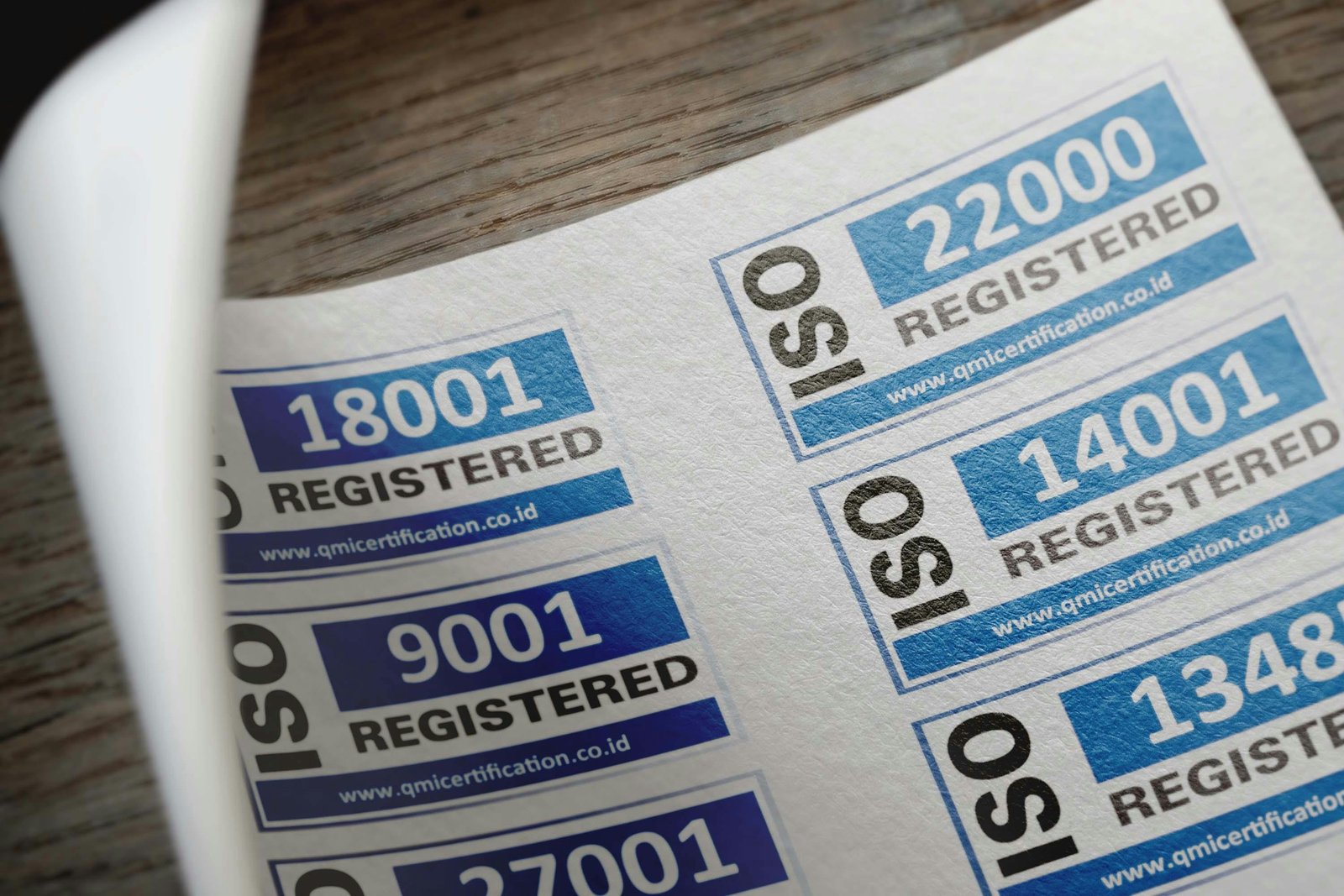
In today's globalized business landscape, international trade plays a crucial role in maintaining economic growth and fostering relationships between nations. However, the complex nature of international trade also brings about challenges, one of which is the occurrence of Software errors. Software errors can significantly disrupt international trade operations, leading to delays, financial losses, and potential damage to relationships with trading partners. In this blog post, we will explore the impact of software errors on international trade standards and discuss strategies to mitigate and prevent these issues from occurring. One of the key elements of international trade is compliance with established standards and regulations, such as the International Organization for Standardization (ISO) guidelines. These standards ensure the smooth flow of goods and services across borders and help to establish trust and credibility among trading partners. When software errors occur in international trade processes, they can jeopardize compliance with these standards, leading to non-compliance issues and potential legal consequences. For example, a software glitch in a customs clearance system could result in incorrect documentation or misclassification of goods, causing delays in shipment and potential fines for non-compliance. To address these challenges, businesses engaged in international trade must prioritize the reliability and accuracy of their software systems. Regular monitoring and testing of software applications can help detect and address potential errors before they impact trade operations. Investing in robust cybersecurity measures can also help protect systems from external threats that may contribute to software malfunctions. Collaboration with software developers and IT professionals is essential in ensuring the smooth functioning of trade-related technologies. By working together to identify vulnerabilities and implement necessary upgrades or patches, businesses can reduce the risks associated with software errors and maintain compliance with international trade standards. In conclusion, software errors can pose significant challenges to international trade operations, but with proactive measures and a commitment to compliance, businesses can mitigate these risks effectively. By prioritizing the reliability and accuracy of software systems, businesses can uphold international trade standards and ensure smooth operations across borders.
Leave a Comment:
SEARCH
Recent News
- Zurich, Switzerland is known for its high standards across various industries, including testing and inspection. The city prides itself on ensuring that products and services meet rigorous quality control measures to maintain its reputation as a leading global hub for innovation and excellence.
- Quality assurance methods are paramount in ensuring high standards and accuracy in various industries, including in the beautiful city of Zurich, Switzerland. Zurich is renowned for its precision and attention to detail, making it crucial to implement effective quality assurance methods to maintain the city’s reputation for excellence.
- Navigating Medical Device Regulations in Zurich, Switzerland
- Zurich, Switzerland and Liechtenstein are two neighboring European countries with distinct regulatory frameworks governing various aspects of society. In this blog post, we will explore some key regulations in Zurich, Switzerland and Liechtenstein that shape the way of life and business in these two unique destinations.
- Zurich, Switzerland is not only known for its stunning scenery and financial prowess but also for its active involvement in international trade standards. As a hub for global commerce, Zurich plays a key role in shaping and adhering to trade regulations that govern the flow of goods and services across borders.
- Zurich, Switzerland: Halal Food Certification
- Zurich, Switzerland: A Closer Look at Food Export-Import Regulations
- Zurich, Switzerland is renowned for its stunning landscapes, vibrant culture, and high quality of life. However, not many people are aware of the city's stringent food and drug regulations that contribute to the overall health and well-being of its residents and visitors.
READ MORE
10 months ago Category :

Zurich, Switzerland is known for its high standards across various industries, including testing and inspection. The city prides itself on ensuring that products and services meet rigorous quality control measures to maintain its reputation as a leading global hub for innovation and excellence.
Read More →10 months ago Category :

Quality assurance methods are paramount in ensuring high standards and accuracy in various industries, including in the beautiful city of Zurich, Switzerland. Zurich is renowned for its precision and attention to detail, making it crucial to implement effective quality assurance methods to maintain the city’s reputation for excellence.
Read More →10 months ago Category :

Navigating Medical Device Regulations in Zurich, Switzerland
Read More →10 months ago Category :
