Understanding Software Errors and Certification Standards in the Tech Industry
Category : | Sub Category : Posted on 2025-11-03 22:25:23
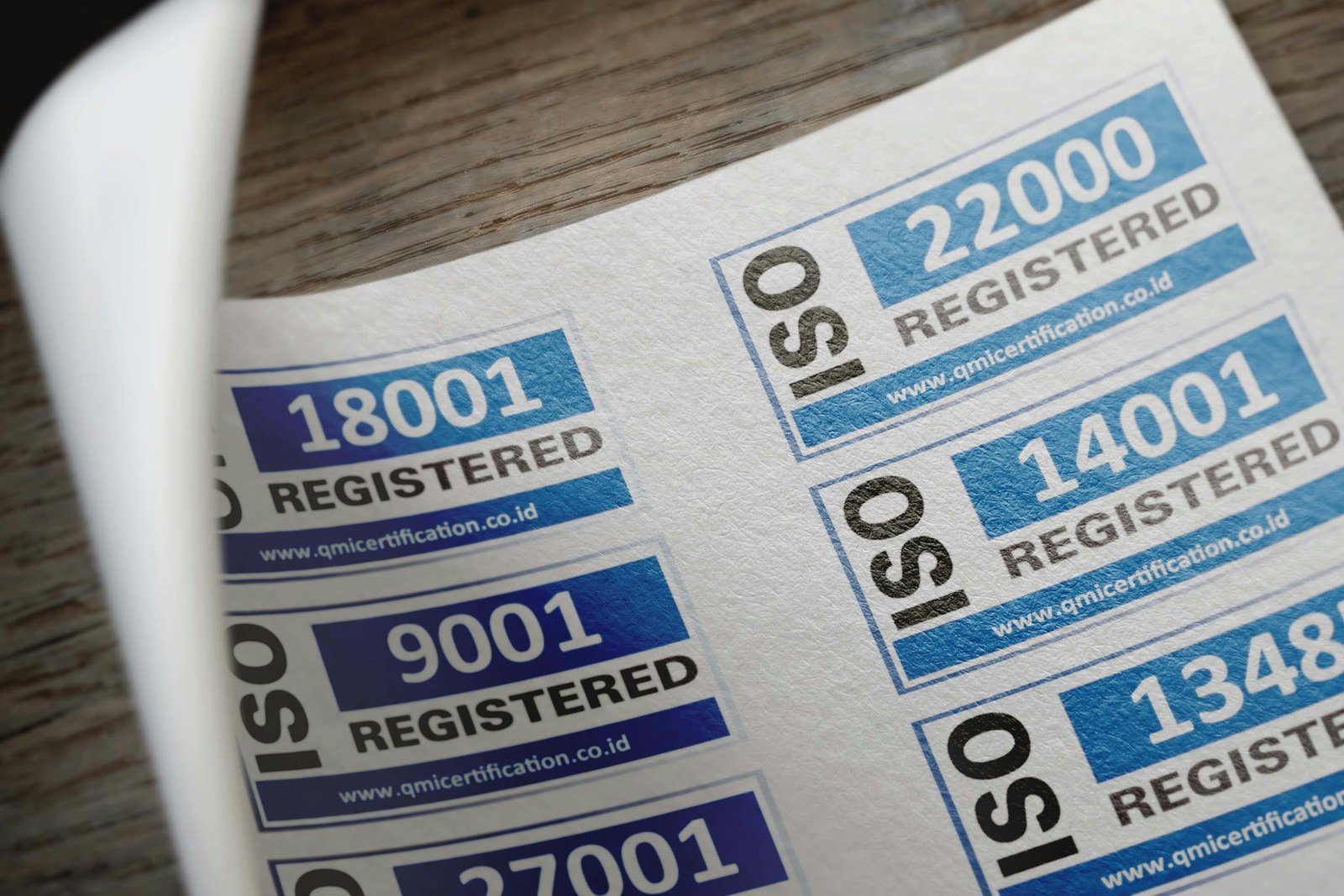
In the fast-paced world of technology, Software plays a crucial role in everything we do. From mobile applications to complex systems running in the background, software powers our digital world. However, with the complexity of software comes the inevitability of errors and bugs that can impact the performance and reliability of programs. In this blog post, we will delve into the realm of software errors and certification standards in the tech industry. Software Errors: The Bane of Developers Software errors, commonly referred to as bugs, are problems in a computer program that cause it to behave unexpectedly or crash. These errors can result from various factors, including coding mistakes, design flaws, hardware malfunctions, or environmental issues. Detecting and fixing software errors is a challenging task that requires meticulous testing and debugging by software developers. Common types of software errors include: 1. Syntax Errors: These errors occur when the code violates the rules of the programming language, such as misspelled keywords or missing semicolons. 2. Logic Errors: These errors occur when the program executes but produces incorrect results due to flawed algorithms or incorrect logic. 3. Runtime Errors: These errors occur while the program is running, such as division by zero or accessing a memory location that is out of bounds. Certification Standards: Ensuring Quality and Reliability To address the prevalence of software errors and ensure the quality and reliability of software products, certification standards have been established in the tech industry. Certification standards provide guidelines, best practices, and requirements that software developers need to adhere to in the development process. Some popular certification standards in the tech industry include: 1. ISO/IEC 27001: This international standard specifies the requirements for establishing, implementing, maintaining, and continually improving an information security management system within the context of the organization's overall business risks. 2. ISO/IEC 25010: This standard provides a framework for evaluating software product quality attributes, such as functionality, reliability, usability, efficiency, maintainability, and portability. 3. CMMI (Capability Maturity Model Integration): CMMI is a process improvement approach that helps organizations streamline their software development processes and improve product quality and efficiency. By complying with certification standards, software developers can enhance the quality, security, and performance of their products, thereby building trust with customers and stakeholders. Conclusion In conclusion, software errors are a common challenge faced by developers in the tech industry, but by following certification standards and best practices, they can mitigate risks and deliver high-quality software products. As technology continues to evolve, staying updated on the latest trends and practices in software development is essential for creating reliable and robust software solutions.
Leave a Comment:
SEARCH
Recent News
- Zurich, Switzerland is known for its high standards across various industries, including testing and inspection. The city prides itself on ensuring that products and services meet rigorous quality control measures to maintain its reputation as a leading global hub for innovation and excellence.
- Quality assurance methods are paramount in ensuring high standards and accuracy in various industries, including in the beautiful city of Zurich, Switzerland. Zurich is renowned for its precision and attention to detail, making it crucial to implement effective quality assurance methods to maintain the city’s reputation for excellence.
- Navigating Medical Device Regulations in Zurich, Switzerland
- Zurich, Switzerland and Liechtenstein are two neighboring European countries with distinct regulatory frameworks governing various aspects of society. In this blog post, we will explore some key regulations in Zurich, Switzerland and Liechtenstein that shape the way of life and business in these two unique destinations.
- Zurich, Switzerland is not only known for its stunning scenery and financial prowess but also for its active involvement in international trade standards. As a hub for global commerce, Zurich plays a key role in shaping and adhering to trade regulations that govern the flow of goods and services across borders.
- Zurich, Switzerland: Halal Food Certification
- Zurich, Switzerland: A Closer Look at Food Export-Import Regulations
- Zurich, Switzerland is renowned for its stunning landscapes, vibrant culture, and high quality of life. However, not many people are aware of the city's stringent food and drug regulations that contribute to the overall health and well-being of its residents and visitors.
READ MORE
10 months ago Category :

Zurich, Switzerland is known for its high standards across various industries, including testing and inspection. The city prides itself on ensuring that products and services meet rigorous quality control measures to maintain its reputation as a leading global hub for innovation and excellence.
Read More →10 months ago Category :

Quality assurance methods are paramount in ensuring high standards and accuracy in various industries, including in the beautiful city of Zurich, Switzerland. Zurich is renowned for its precision and attention to detail, making it crucial to implement effective quality assurance methods to maintain the city’s reputation for excellence.
Read More →10 months ago Category :

Navigating Medical Device Regulations in Zurich, Switzerland
Read More →10 months ago Category :
