Understanding the Importance of Responsibility Testing and Inspection Standards
Category : | Sub Category : Posted on 2025-11-03 22:25:23
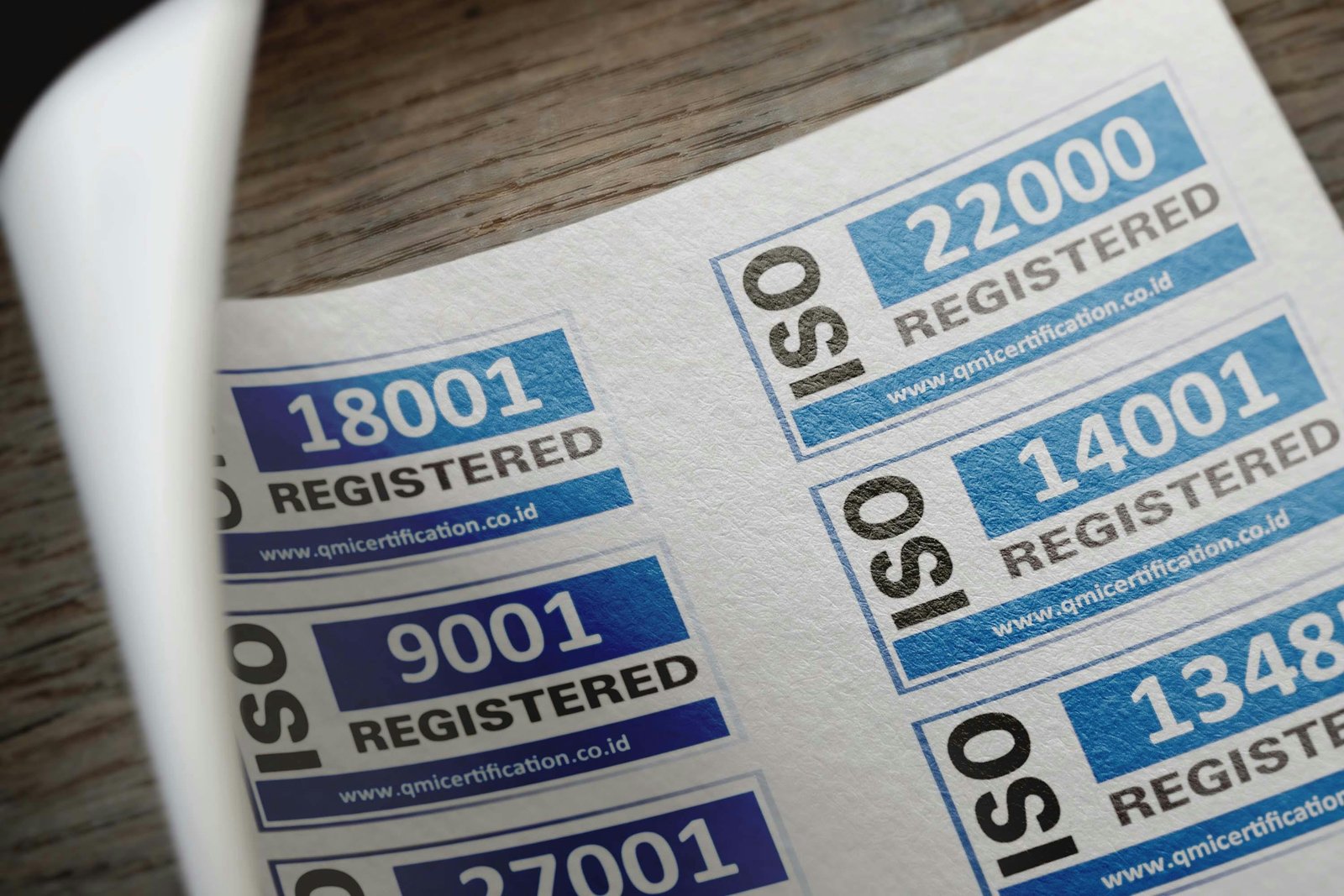
In various industries such as manufacturing, construction, healthcare, and transportation, ensuring the safety, reliability, and quality of products and services is of paramount importance. One crucial aspect of this process is responsibility testing and inspection standards. These standards are put in place to uphold accountability, compliance, and trustworthiness in the products and services being offered. Responsibility testing involves assessing the performance, functionality, and safety aspects of a product or service to ensure that they meet predetermined criteria and standards. This process helps identify any defects, weaknesses, or areas of non-compliance that may jeopardize the integrity and reliability of the product or service. By subjecting products and services to rigorous testing, manufacturers and service providers demonstrate their commitment to delivering high-quality and reliable offerings to consumers. Inspection standards, on the other hand, involve the systematic examination and evaluation of products, processes, and facilities to verify compliance with regulatory requirements, industry guidelines, and best practices. Inspections help identify deviations, inefficiencies, and potential risks that may compromise the safety, quality, and performance of the product or service. By adhering to inspection standards, organizations can proactively address issues, mitigate risks, and improve overall operational efficiency. Adhering to responsibility testing and inspection standards offers several benefits for both businesses and consumers. For businesses, it helps build reputation, credibility, and customer trust by demonstrating a commitment to quality, safety, and compliance. It also helps reduce the risk of costly recalls, lawsuits, and damage to brand reputation due to substandard products or services. By implementing robust testing and inspection processes, businesses can enhance operational excellence, drive innovation, and remain competitive in the market. For consumers, adherence to responsibility testing and inspection standards provides assurance of product safety, reliability, and quality. It instills confidence in the products and services they use, knowing that they have been rigorously tested and inspected to meet the highest standards. Consumers can make informed decisions based on the credibility and transparency of businesses that prioritize responsibility testing and inspection, leading to increased trust and loyalty. In conclusion, responsibility testing and inspection standards play a critical role in ensuring the safety, reliability, and quality of products and services across various industries. By upholding accountability, compliance, and trustworthiness, businesses can deliver superior offerings that meet the needs and expectations of consumers. Embracing responsibility testing and inspection standards not only benefits businesses by enhancing reputation and competitiveness but also provides consumers with the peace of mind that they are investing in products and services of the highest caliber.
Leave a Comment:
SEARCH
Recent News
- Zurich, Switzerland is known for its high standards across various industries, including testing and inspection. The city prides itself on ensuring that products and services meet rigorous quality control measures to maintain its reputation as a leading global hub for innovation and excellence.
- Quality assurance methods are paramount in ensuring high standards and accuracy in various industries, including in the beautiful city of Zurich, Switzerland. Zurich is renowned for its precision and attention to detail, making it crucial to implement effective quality assurance methods to maintain the city’s reputation for excellence.
- Navigating Medical Device Regulations in Zurich, Switzerland
- Zurich, Switzerland and Liechtenstein are two neighboring European countries with distinct regulatory frameworks governing various aspects of society. In this blog post, we will explore some key regulations in Zurich, Switzerland and Liechtenstein that shape the way of life and business in these two unique destinations.
- Zurich, Switzerland is not only known for its stunning scenery and financial prowess but also for its active involvement in international trade standards. As a hub for global commerce, Zurich plays a key role in shaping and adhering to trade regulations that govern the flow of goods and services across borders.
- Zurich, Switzerland: Halal Food Certification
- Zurich, Switzerland: A Closer Look at Food Export-Import Regulations
- Zurich, Switzerland is renowned for its stunning landscapes, vibrant culture, and high quality of life. However, not many people are aware of the city's stringent food and drug regulations that contribute to the overall health and well-being of its residents and visitors.
READ MORE
10 months ago Category :

Zurich, Switzerland is known for its high standards across various industries, including testing and inspection. The city prides itself on ensuring that products and services meet rigorous quality control measures to maintain its reputation as a leading global hub for innovation and excellence.
Read More →10 months ago Category :

Quality assurance methods are paramount in ensuring high standards and accuracy in various industries, including in the beautiful city of Zurich, Switzerland. Zurich is renowned for its precision and attention to detail, making it crucial to implement effective quality assurance methods to maintain the city’s reputation for excellence.
Read More →10 months ago Category :

Navigating Medical Device Regulations in Zurich, Switzerland
Read More →10 months ago Category :
