Understanding the Importance of Responsibility in International Trade Standards
Category : | Sub Category : Posted on 2025-11-03 22:25:23
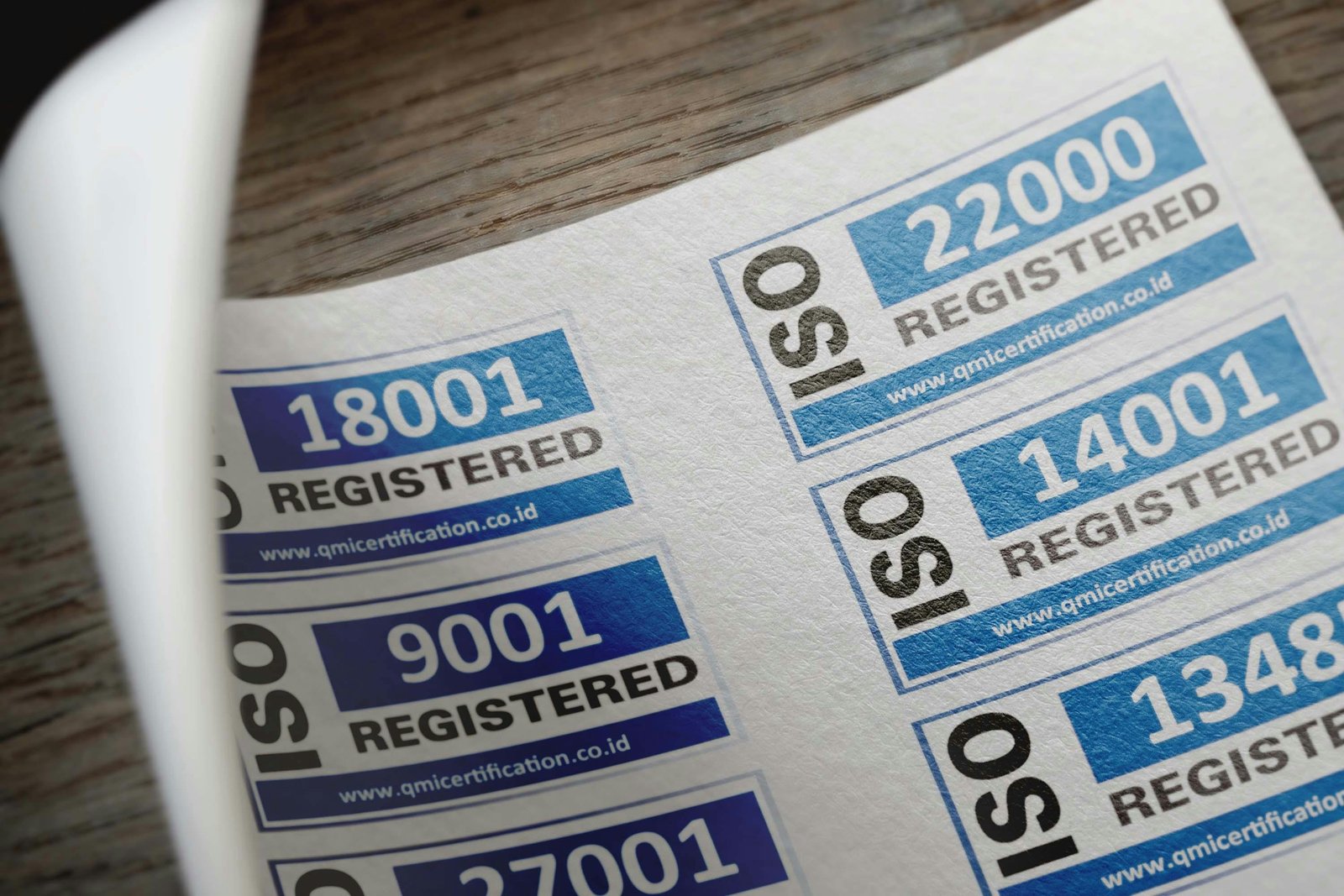
In today's interconnected world, international trade plays a significant role in the global economy. As businesses expand their operations across borders, it is crucial to adhere to international trade standards that promote responsible and ethical practices. Responsibility in international trade standards encompasses various aspects, including environmental sustainability, labor rights, fair trade practices, and transparency. One of the key reasons why responsibility is essential in international trade standards is to ensure that businesses operate ethically and sustainably. By following responsible practices, companies can contribute to the well-being of the environment and society as a whole. For example, adopting sustainable sourcing practices can help protect natural resources and reduce carbon emissions, thereby mitigating the impact of climate change. Moreover, responsibility in international trade standards also safeguards the rights of workers and ensures fair labor practices. By upholding labor standards such as providing safe working conditions, fair wages, and prohibiting child labor, companies can create a positive impact on the lives of workers in their supply chains. This commitment to responsible labor practices fosters a more inclusive and equitable global economy. Additionally, adhering to responsible trade practices promotes transparency and trust among stakeholders. When businesses are transparent about their sourcing methods, production processes, and supply chain operations, they build credibility with consumers, investors, and other partners. Transparency also enables stakeholders to make informed decisions and hold companies accountable for their actions, ultimately fostering a culture of trust and accountability in international trade. In conclusion, responsibility is a fundamental aspect of international trade standards that drives ethical behavior, sustainability, and transparency. By prioritizing responsibility in their operations, businesses can contribute to a more sustainable and ethical global economy. As consumers and stakeholders increasingly demand accountability and transparency from companies, embracing responsible trade practices is not only a moral imperative but also a strategic advantage for businesses in the long run.
Leave a Comment:
SEARCH
Recent News
- Zurich, Switzerland is known for its high standards across various industries, including testing and inspection. The city prides itself on ensuring that products and services meet rigorous quality control measures to maintain its reputation as a leading global hub for innovation and excellence.
- Quality assurance methods are paramount in ensuring high standards and accuracy in various industries, including in the beautiful city of Zurich, Switzerland. Zurich is renowned for its precision and attention to detail, making it crucial to implement effective quality assurance methods to maintain the city’s reputation for excellence.
- Navigating Medical Device Regulations in Zurich, Switzerland
- Zurich, Switzerland and Liechtenstein are two neighboring European countries with distinct regulatory frameworks governing various aspects of society. In this blog post, we will explore some key regulations in Zurich, Switzerland and Liechtenstein that shape the way of life and business in these two unique destinations.
- Zurich, Switzerland is not only known for its stunning scenery and financial prowess but also for its active involvement in international trade standards. As a hub for global commerce, Zurich plays a key role in shaping and adhering to trade regulations that govern the flow of goods and services across borders.
- Zurich, Switzerland: Halal Food Certification
- Zurich, Switzerland: A Closer Look at Food Export-Import Regulations
- Zurich, Switzerland is renowned for its stunning landscapes, vibrant culture, and high quality of life. However, not many people are aware of the city's stringent food and drug regulations that contribute to the overall health and well-being of its residents and visitors.
READ MORE
10 months ago Category :

Zurich, Switzerland is known for its high standards across various industries, including testing and inspection. The city prides itself on ensuring that products and services meet rigorous quality control measures to maintain its reputation as a leading global hub for innovation and excellence.
Read More →10 months ago Category :

Quality assurance methods are paramount in ensuring high standards and accuracy in various industries, including in the beautiful city of Zurich, Switzerland. Zurich is renowned for its precision and attention to detail, making it crucial to implement effective quality assurance methods to maintain the city’s reputation for excellence.
Read More →10 months ago Category :

Navigating Medical Device Regulations in Zurich, Switzerland
Read More →10 months ago Category :
