When it comes to international trade, adhering to standards and regulations is essential for ensuring the smooth flow of goods and services across borders. In today's global economy, countries around the world are increasingly interconnected through trade, making it crucial to have agreed-upon standards to facilitate commerce and protect consumers.
Category : | Sub Category : Posted on 2025-11-03 22:25:23
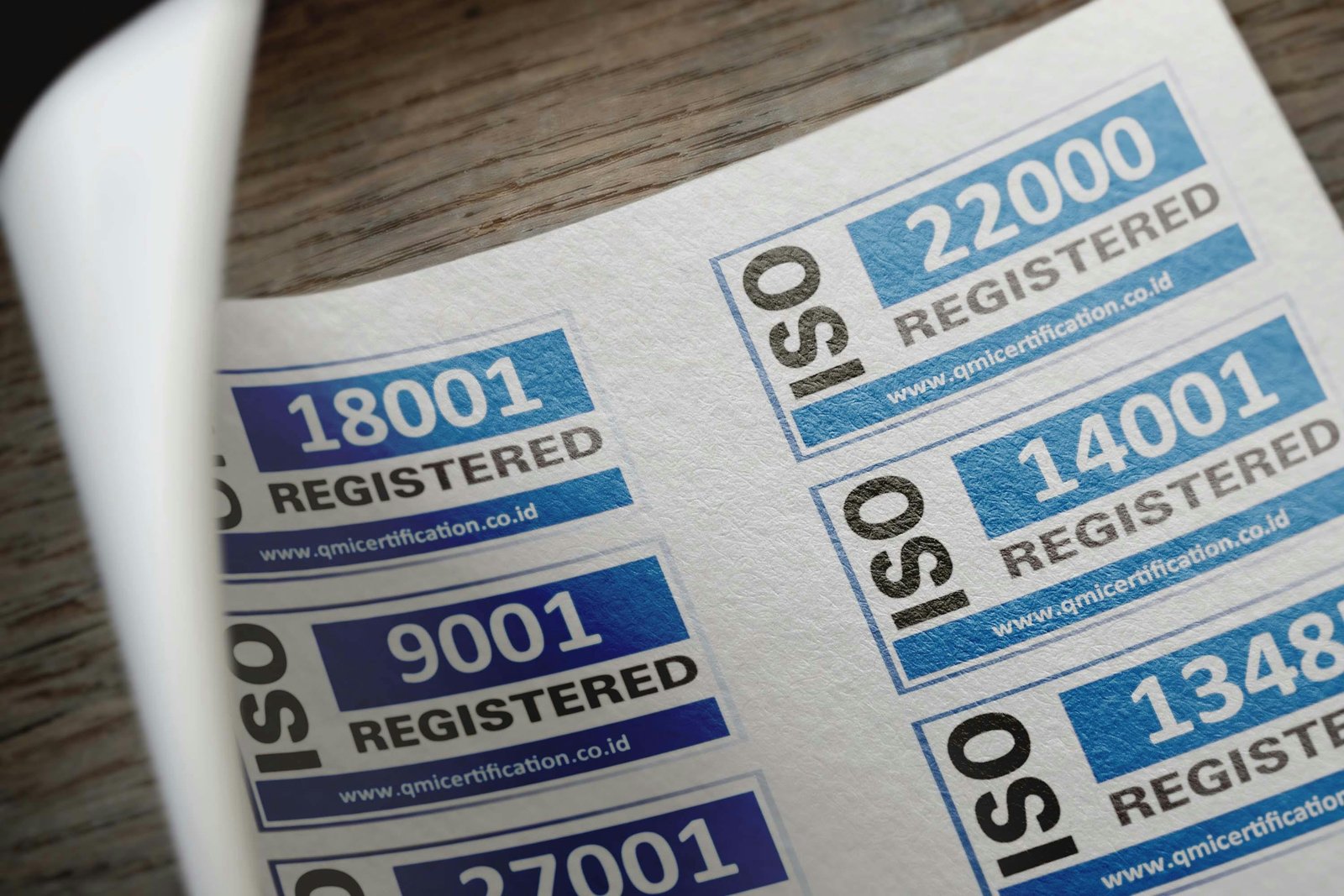
One crucial aspect of international trade standards is the harmonization of technical regulations and product standards. Different countries may have varying requirements for product safety, quality, and labeling, which can create barriers to trade. By aligning these standards internationally, businesses can more easily navigate the complexities of global markets and avoid costly non-compliance issues. Another key area of focus in international trade standards is the enforcement of intellectual property rights. Protecting patents, trademarks, and copyrights is vital for fostering innovation and ensuring fair competition in the global marketplace. Strengthening intellectual property standards can help prevent counterfeiting and piracy, protecting businesses from revenue losses and safeguarding consumers from counterfeit products. Furthermore, environmental and labor standards play a significant role in international trade agreements. Sustainable practices, such as reducing carbon emissions and promoting worker rights, are increasingly becoming integral components of trade negotiations. By incorporating these standards into international trade agreements, countries can encourage responsible business practices and contribute to a more sustainable global economy. In conclusion, adhering to international trade standards is crucial for promoting fair and transparent commerce, protecting intellectual property rights, and advancing sustainable business practices. By upholding these standards, countries can foster economic growth, mitigate risks, and build stronger relationships in the global market. It is essential for businesses and policymakers to work together to ensure that international trade standards continue to evolve and adapt to the changing dynamics of the global economy.
Leave a Comment:
SEARCH
Recent News
- Zurich, Switzerland is known for its high standards across various industries, including testing and inspection. The city prides itself on ensuring that products and services meet rigorous quality control measures to maintain its reputation as a leading global hub for innovation and excellence.
- Quality assurance methods are paramount in ensuring high standards and accuracy in various industries, including in the beautiful city of Zurich, Switzerland. Zurich is renowned for its precision and attention to detail, making it crucial to implement effective quality assurance methods to maintain the city’s reputation for excellence.
- Navigating Medical Device Regulations in Zurich, Switzerland
- Zurich, Switzerland and Liechtenstein are two neighboring European countries with distinct regulatory frameworks governing various aspects of society. In this blog post, we will explore some key regulations in Zurich, Switzerland and Liechtenstein that shape the way of life and business in these two unique destinations.
- Zurich, Switzerland is not only known for its stunning scenery and financial prowess but also for its active involvement in international trade standards. As a hub for global commerce, Zurich plays a key role in shaping and adhering to trade regulations that govern the flow of goods and services across borders.
- Zurich, Switzerland: Halal Food Certification
- Zurich, Switzerland: A Closer Look at Food Export-Import Regulations
- Zurich, Switzerland is renowned for its stunning landscapes, vibrant culture, and high quality of life. However, not many people are aware of the city's stringent food and drug regulations that contribute to the overall health and well-being of its residents and visitors.
READ MORE
10 months ago Category :

Zurich, Switzerland is known for its high standards across various industries, including testing and inspection. The city prides itself on ensuring that products and services meet rigorous quality control measures to maintain its reputation as a leading global hub for innovation and excellence.
Read More →10 months ago Category :

Quality assurance methods are paramount in ensuring high standards and accuracy in various industries, including in the beautiful city of Zurich, Switzerland. Zurich is renowned for its precision and attention to detail, making it crucial to implement effective quality assurance methods to maintain the city’s reputation for excellence.
Read More →10 months ago Category :

Navigating Medical Device Regulations in Zurich, Switzerland
Read More →10 months ago Category :
