Ensuring Quality in DIY Aircraft Construction: Effective Methods for Quality Assurance
Category : | Sub Category : Posted on 2025-11-03 22:25:23
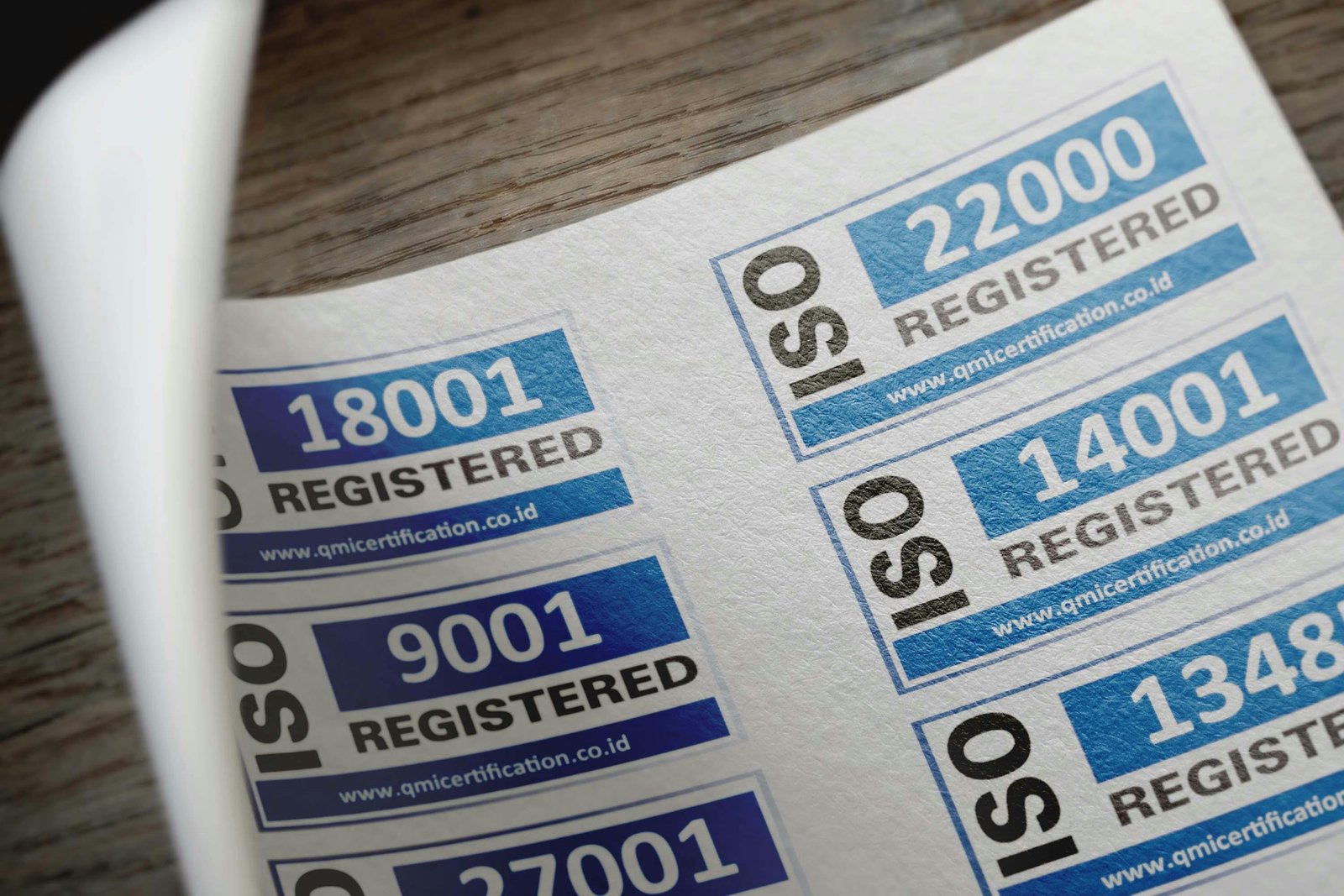
Introduction: Building a DIY aircraft can be a rewarding and fulfilling experience for aviation enthusiasts and hobbyists. However, ensuring the quality and safety of the aircraft is paramount to the success of the project. Quality assurance methods play a crucial role in meeting regulatory standards, enhancing performance, and ensuring the safety of the aircraft and its occupants. Here are some effective quality assurance methods that DIY aircraft builders can implement to ensure the quality of their construction: 1. Comprehensive Planning: Before starting the construction of a DIY aircraft, thorough planning is essential. Create a detailed construction plan that outlines the design specifications, materials to be used, construction process, and timeline. This will help in adhering to standards, maintaining consistency, and achieving the desired quality of the aircraft. 2. Adherence to Regulations: Compliance with aviation regulations and guidelines is non-negotiable when building an aircraft, even on a DIY basis. Familiarize yourself with the relevant regulations specific to amateur-built aircraft and ensure that your construction meets the required standards for airworthiness and safety. 3. Documentation and Record-Keeping: Maintaining detailed documentation throughout the construction process is essential for quality assurance. Record information such as design changes, material specifications, inspections, tests conducted, and any deviations from the original plan. This documentation serves as a reference for troubleshooting issues and ensures accountability in case of any discrepancies. 4. Quality Inspections and Testing: Regular inspections and testing are vital to ensuring the quality of the aircraft components and structures. Perform visual inspections, dimensional checks, and non-destructive testing methods such as ultrasonic testing or dye penetrant inspection to identify any defects or inconsistencies. Conduct test flights only after thorough ground testing and verification of all systems. 5. Peer Review and Feedback: Seeking feedback and input from experienced aviation enthusiasts, builders, or professionals can provide valuable insights into improving the quality of the aircraft construction. Peer review helps in identifying potential issues, offering suggestions for enhancements, and ensuring that the construction meets industry standards. 6. Continuous Learning and Improvement: Stay updated on the latest developments in DIY aircraft construction techniques, materials, and technologies. Continuous learning and improvement are essential for enhancing the quality of your projects and ensuring that they remain safe and reliable for flight operations. Conclusion: Quality assurance is a critical aspect of DIY aircraft construction that cannot be overlooked. By implementing effective quality assurance methods such as comprehensive planning, adherence to regulations, documentation, inspections, peer review, and continuous learning, DIY aircraft builders can ensure the quality, safety, and airworthiness of their aircraft projects. Prioritizing quality assurance not only enhances the performance and reliability of the aircraft but also contributes to a rewarding and successful construction experience. Click the following link for more https://www.svop.org Dropy by for a visit at the following website https://www.spydroner.com Explore this subject in detail with https://www.mimidate.com For an alternative viewpoint, explore https://www.tknl.org
Leave a Comment:
SEARCH
Recent News
- Zurich, Switzerland is known for its high standards across various industries, including testing and inspection. The city prides itself on ensuring that products and services meet rigorous quality control measures to maintain its reputation as a leading global hub for innovation and excellence.
- Quality assurance methods are paramount in ensuring high standards and accuracy in various industries, including in the beautiful city of Zurich, Switzerland. Zurich is renowned for its precision and attention to detail, making it crucial to implement effective quality assurance methods to maintain the city’s reputation for excellence.
- Navigating Medical Device Regulations in Zurich, Switzerland
- Zurich, Switzerland and Liechtenstein are two neighboring European countries with distinct regulatory frameworks governing various aspects of society. In this blog post, we will explore some key regulations in Zurich, Switzerland and Liechtenstein that shape the way of life and business in these two unique destinations.
- Zurich, Switzerland is not only known for its stunning scenery and financial prowess but also for its active involvement in international trade standards. As a hub for global commerce, Zurich plays a key role in shaping and adhering to trade regulations that govern the flow of goods and services across borders.
- Zurich, Switzerland: Halal Food Certification
- Zurich, Switzerland: A Closer Look at Food Export-Import Regulations
- Zurich, Switzerland is renowned for its stunning landscapes, vibrant culture, and high quality of life. However, not many people are aware of the city's stringent food and drug regulations that contribute to the overall health and well-being of its residents and visitors.
READ MORE
11 months ago Category :

Zurich, Switzerland is known for its high standards across various industries, including testing and inspection. The city prides itself on ensuring that products and services meet rigorous quality control measures to maintain its reputation as a leading global hub for innovation and excellence.
Read More →11 months ago Category :

Quality assurance methods are paramount in ensuring high standards and accuracy in various industries, including in the beautiful city of Zurich, Switzerland. Zurich is renowned for its precision and attention to detail, making it crucial to implement effective quality assurance methods to maintain the city’s reputation for excellence.
Read More →11 months ago Category :

Navigating Medical Device Regulations in Zurich, Switzerland
Read More →11 months ago Category :
