Understanding Daily International Trade Standards
Category : | Sub Category : Posted on 2025-11-03 22:25:23
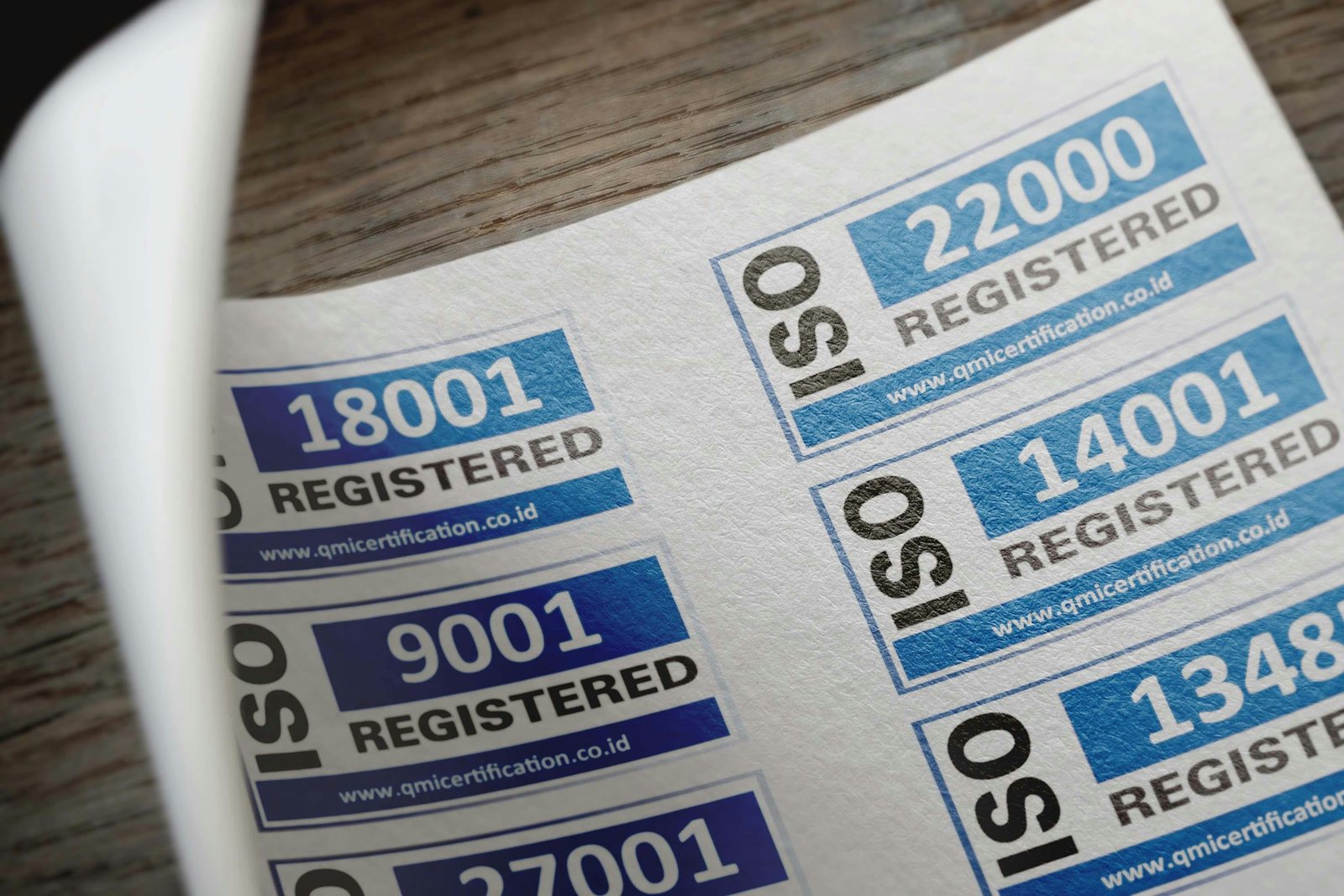
In today's interconnected global economy, Daily international trade plays a vital role in shaping the flow of goods, services, and capital across borders. To ensure smooth and efficient trade operations, a set of standards and regulations have been established to govern international trade activities on a daily basis. Let's delve into the key aspects of these standards and their significance in facilitating international trade. 1. Harmonized System (HS) Codes: One of the fundamental components of daily international trade standards is the Harmonized System (HS) codes. These standardized codes are used to classify products traded internationally, facilitating the smooth exchange of goods between countries. HS codes help in determining customs duties, tariffs, and regulations applicable to specific products, ensuring uniformity and consistency in trade documentation. 2. Incoterms: In international trade, the use of standardized International Commercial Terms (Incoterms) is crucial for defining the responsibilities and obligations of buyers and sellers during the shipment of goods. These terms, such as FOB (Free On Board) and CIF (Cost, Insurance, and Freight), specify crucial aspects like shipping costs, insurance coverage, and the transfer of risk, providing clarity and reducing disputes in daily trade transactions. 3. Trade Agreements: Trade agreements play a significant role in shaping daily international trade standards by regulating trade relations between countries. These agreements, such as free trade agreements and preferential trade agreements, aim to reduce barriers to trade, promote economic cooperation, and establish a framework for fair and transparent trade practices. By adhering to these agreements, countries can benefit from increased market access and a more predictable trading environment. 4. Customs Procedures: Customs procedures are essential for ensuring compliance with import and export regulations, safeguarding national security, and preventing illegal trade activities. Daily international trade standards outline clear customs procedures, documentation requirements, and risk management practices to streamline the movement of goods across borders while maintaining security and regulatory compliance. 5. Quality Standards and Regulations: International trade standards also encompass quality requirements and regulations that products must meet to enter foreign markets. Standards such as ISO certifications, food safety regulations, and product labeling requirements ensure that traded goods meet certain quality, safety, and sustainability standards, building consumer trust and promoting cross-border trade. In conclusion, daily international trade standards play a pivotal role in facilitating smooth, transparent, and efficient trade activities across the globe. By adhering to standardized codes, terms, agreements, and regulations, businesses and countries can navigate the complexities of international trade with confidence and reliability. Embracing these standards fosters a conducive environment for global trade cooperation and economic growth, driving prosperity and opportunities for all stakeholders involved in the daily exchange of goods and services. also click the following link for more https://www.corriente.org
Leave a Comment:
SEARCH
Recent News
- Zurich, Switzerland is known for its high standards across various industries, including testing and inspection. The city prides itself on ensuring that products and services meet rigorous quality control measures to maintain its reputation as a leading global hub for innovation and excellence.
- Quality assurance methods are paramount in ensuring high standards and accuracy in various industries, including in the beautiful city of Zurich, Switzerland. Zurich is renowned for its precision and attention to detail, making it crucial to implement effective quality assurance methods to maintain the city’s reputation for excellence.
- Navigating Medical Device Regulations in Zurich, Switzerland
- Zurich, Switzerland and Liechtenstein are two neighboring European countries with distinct regulatory frameworks governing various aspects of society. In this blog post, we will explore some key regulations in Zurich, Switzerland and Liechtenstein that shape the way of life and business in these two unique destinations.
- Zurich, Switzerland is not only known for its stunning scenery and financial prowess but also for its active involvement in international trade standards. As a hub for global commerce, Zurich plays a key role in shaping and adhering to trade regulations that govern the flow of goods and services across borders.
- Zurich, Switzerland: Halal Food Certification
- Zurich, Switzerland: A Closer Look at Food Export-Import Regulations
- Zurich, Switzerland is renowned for its stunning landscapes, vibrant culture, and high quality of life. However, not many people are aware of the city's stringent food and drug regulations that contribute to the overall health and well-being of its residents and visitors.
READ MORE
11 months ago Category :

Zurich, Switzerland is known for its high standards across various industries, including testing and inspection. The city prides itself on ensuring that products and services meet rigorous quality control measures to maintain its reputation as a leading global hub for innovation and excellence.
Read More →11 months ago Category :

Quality assurance methods are paramount in ensuring high standards and accuracy in various industries, including in the beautiful city of Zurich, Switzerland. Zurich is renowned for its precision and attention to detail, making it crucial to implement effective quality assurance methods to maintain the city’s reputation for excellence.
Read More →11 months ago Category :

Navigating Medical Device Regulations in Zurich, Switzerland
Read More →11 months ago Category :
