11 months ago Category :
Understanding the Concerns Surrounding Halal Food Certification
Read More →11 months ago Category :
When it comes to the regulation of food import and export, complaints are not uncommon. These complaints can arise from various stakeholders in the food industry, including producers, exporters, importers, and consumers. Understanding the nature of these complaints is essential for improving the efficiency and effectiveness of food import and export regulations.
Read More →11 months ago Category :
Food and drug regulation is a crucial aspect of public health and safety. These regulations are put in place to ensure that the food and drugs we consume are safe, effective, and of high quality. However, like any other system, there are also complaints about food and drug regulation that arise from various stakeholders.
Read More →11 months ago Category :
Certification standards play a crucial role in ensuring the quality and credibility of products and services. By adhering to specific criteria and guidelines set by certifying bodies, businesses can demonstrate their commitment to excellence and customer satisfaction. However, even with adherence to certification standards, complaints can still arise.
Read More →11 months ago Category :
In Liechtenstein, regulations regarding competitive games are implemented to ensure fair play and responsible gaming practices. Competitive games refer to various forms of sports or e-sports competitions where participants compete against each other to win prizes or recognition. These regulations are put in place to protect the integrity of the games, as well as the well-being of the players involved.
Read More →11 months ago Category :
In today's global economy, it is crucial for businesses to understand and adhere to international trade standards when engaging in competitive games. These standards are put in place to ensure fair trade practices, promote economic growth, and protect consumers and businesses alike.
Read More →11 months ago Category :
Communication Tools Testing and Inspection Standards
Read More →11 months ago Category :
Effective communication is vital in any organization to ensure smooth operations and successful outcomes. With the advancement of technology, various communication tools have been developed to facilitate collaboration and information sharing among team members. However, the use of these communication tools also raises concerns about the quality and accuracy of the information being communicated. This is where quality assurance methods play a crucial role in ensuring that the information shared through these tools is reliable and error-free.
Read More →11 months ago Category :
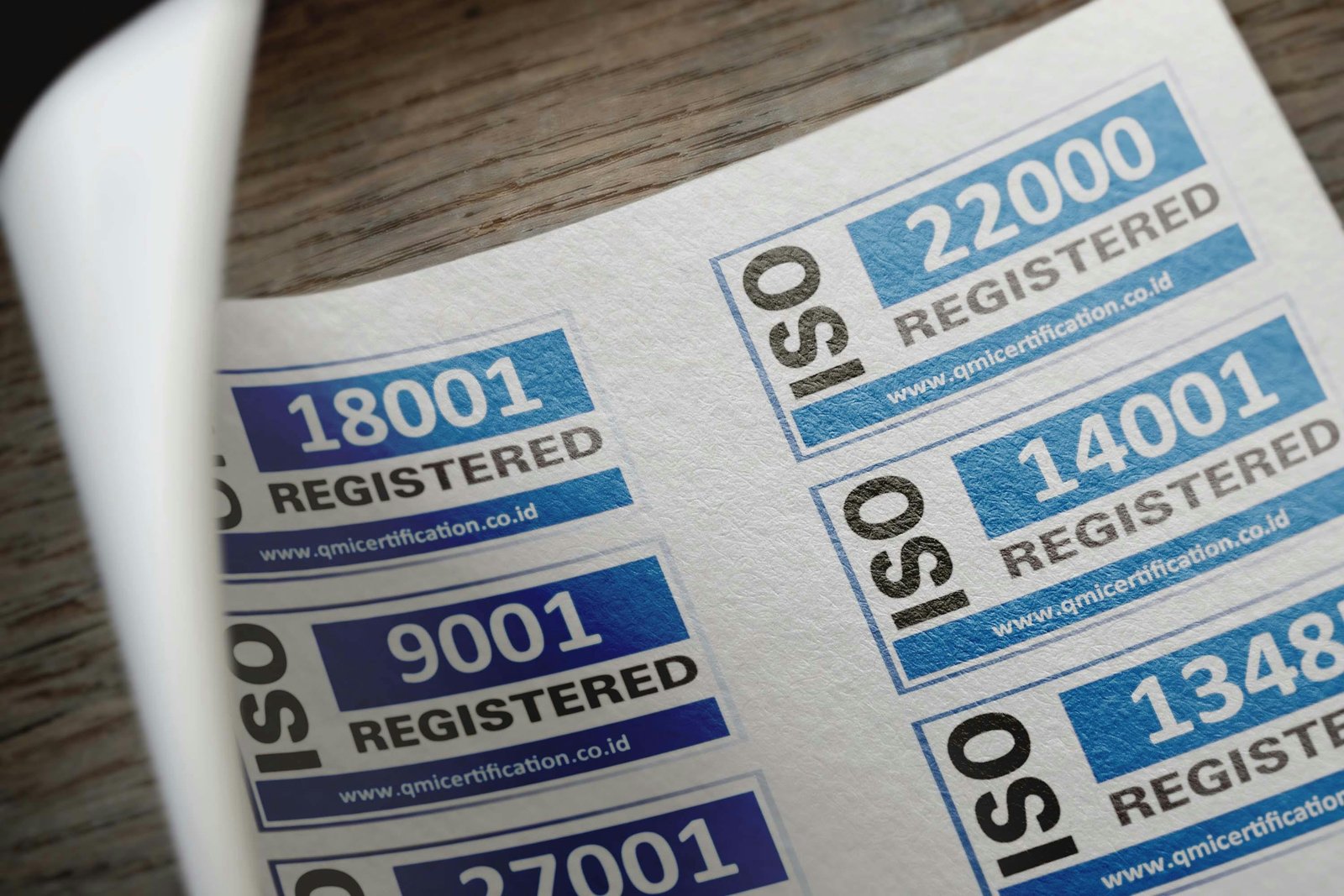
In the world of medical devices regulation, effective communication tools play a crucial role in ensuring compliance, safety, and quality standards are met. The regulations governing the design, manufacturing, marketing, and distribution of medical devices are complex and constantly evolving. Therefore, it is essential for manufacturers, regulatory bodies, and other stakeholders to have efficient communication tools in place to navigate this intricate landscape.
Read More →11 months ago Category :
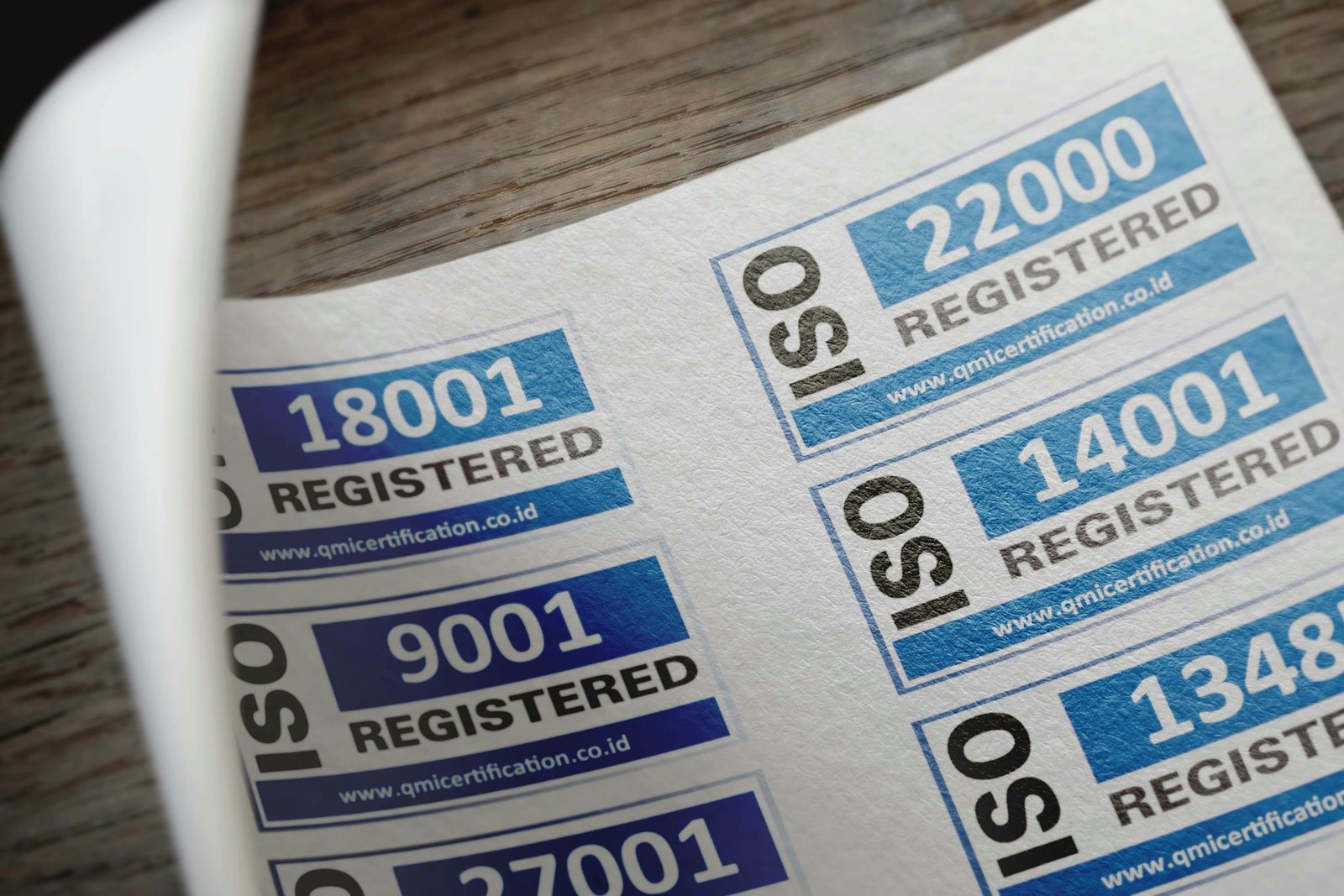
Communication Tools: Navigating Regulations in Liechtenstein
Read More →SEARCH
Recent News
- Zurich, Switzerland is known for its high standards across various industries, including testing and inspection. The city prides itself on ensuring that products and services meet rigorous quality control measures to maintain its reputation as a leading global hub for innovation and excellence.
- Quality assurance methods are paramount in ensuring high standards and accuracy in various industries, including in the beautiful city of Zurich, Switzerland. Zurich is renowned for its precision and attention to detail, making it crucial to implement effective quality assurance methods to maintain the city’s reputation for excellence.
- Navigating Medical Device Regulations in Zurich, Switzerland
- Zurich, Switzerland and Liechtenstein are two neighboring European countries with distinct regulatory frameworks governing various aspects of society. In this blog post, we will explore some key regulations in Zurich, Switzerland and Liechtenstein that shape the way of life and business in these two unique destinations.
- Zurich, Switzerland is not only known for its stunning scenery and financial prowess but also for its active involvement in international trade standards. As a hub for global commerce, Zurich plays a key role in shaping and adhering to trade regulations that govern the flow of goods and services across borders.
- Zurich, Switzerland: Halal Food Certification
- Zurich, Switzerland: A Closer Look at Food Export-Import Regulations
- Zurich, Switzerland is renowned for its stunning landscapes, vibrant culture, and high quality of life. However, not many people are aware of the city's stringent food and drug regulations that contribute to the overall health and well-being of its residents and visitors.